How close are we to developing a cure for cancer?
Category : Breast | Sub Category : Breast Cancer Posted on 2026-03-06 09:41:25
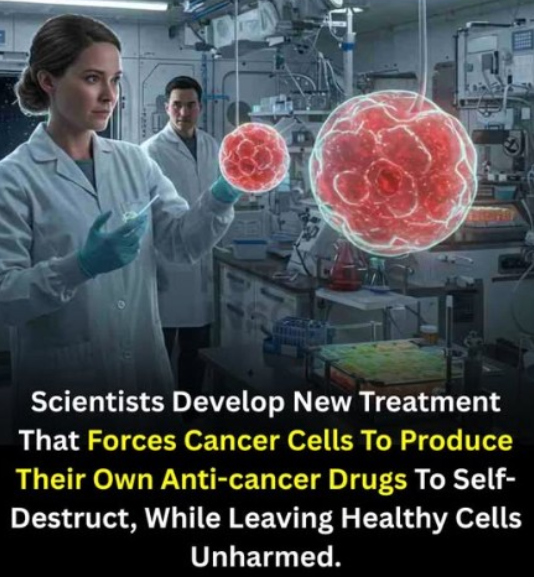
American Cancer Society (ACS), the National Cancer Institute (NCI), and other medical studies. The numbers reflect the progress scientists have been making up to around 2026.
First, it is important to understand that cancer is not just one disease. It is actually more than 200 different diseases. Each type begins in different cells, grows differently, and responds differently to treatment. That is why there is no single universal cure yet. Scientists usually develop treatments that work for specific types or stages of cancer. Progress comes from understanding the genetic mutations inside cancer cells and designing treatments that target those mutations.
Some cancers are already very close to being considered curable, especially when they are detected early. Examples include certain leukemias, lymphomas, testicular cancer, and early stage breast cancer.
Testicular cancer is one of the best success stories. The five year survival rate is around 95 percent. This success mainly comes from effective chemotherapy treatments that use drugs like cisplatin.
Hodgkin lymphoma also has very strong outcomes. About 90 percent of patients survive at least five years after diagnosis when treated with standard chemotherapy combinations.
Non Hodgkin lymphoma varies depending on the type, but many aggressive forms have survival rates around 70 to 80 percent with modern treatments.
Leukemia treatments have also improved dramatically. Chronic myeloid leukemia used to be extremely dangerous, but targeted drugs such as imatinib changed everything. The five year survival rate increased from about 22 percent to roughly 70 percent.
For children with acute lymphoblastic leukemia, survival rates are now about 89 percent thanks to improved treatment protocols.
Early stage breast cancer is another area with excellent outcomes. When detected at stage 0 or stage 1, the five year survival rate is about 99 percent. Treatments often include surgery, radiation therapy, and hormone treatments such as tamoxifen.
Another major breakthrough in cancer treatment is immunotherapy. These treatments help the body’s immune system recognize and attack cancer cells.
Checkpoint inhibitor drugs are a good example. These drugs remove the “brakes” that prevent immune cells from attacking tumors. Medications like pembrolizumab and nivolumab have significantly improved survival for cancers such as melanoma and lung cancer.
For advanced melanoma, the five year survival rate used to be around 16 percent. Today it is closer to 35 percent because of immunotherapy.
For some patients with advanced lung cancer, these treatments have extended survival from just a few months to several years.
Another powerful form of immunotherapy is CAR T cell therapy. In this treatment, doctors take a patient’s immune cells, genetically modify them in the laboratory to recognize cancer, and then put them back into the body.
This approach has produced remission rates between 80 and 97 percent in certain blood cancers, especially in children and young adults with relapsed leukemia.
In lymphoma patients, about 45 to 50 percent of those treated with CAR T therapy remain in remission even five years later.
Personalized or targeted medicine is also transforming cancer treatment. Instead of using the same chemotherapy for everyone, doctors now analyze the genetic mutations in a tumor and choose drugs designed to attack those specific mutations.
For example, PARP inhibitors such as olaparib are used in patients with BRCA gene mutations in breast and ovarian cancers. These drugs can significantly slow disease progression.
In lung cancer, drugs that target EGFR mutations can produce response rates between 70 and 80 percent with fewer side effects than traditional chemotherapy.
Overall, advances in targeted medicine and precision treatment have contributed to a major improvement in survival rates. Since the 1970s, the overall five year survival rate for cancer has increased by about 21 percent.
Early detection is also improving rapidly. New technologies are helping doctors find cancer earlier, when it is easier to treat.
Liquid biopsy tests are one example. These blood tests detect tiny fragments of cancer DNA circulating in the bloodstream. In some cases, they can detect cancer recurrence up to ten months earlier than imaging scans.
Another new development is multi cancer early detection testing. Some new blood tests can screen for more than 50 different types of cancer at once.
Advanced imaging technologies and artificial intelligence are also improving screening accuracy. For example, low dose CT scans have reduced lung cancer deaths by about 20 percent in high risk groups.
Despite all this progress, some cancers remain very difficult to treat.
Pancreatic cancer is one of the toughest. The five year survival rate is around 13 percent. This cancer often grows silently and spreads before symptoms appear. It also has a dense tissue structure that makes it harder for drugs to reach the tumor.
Glioblastoma, an aggressive brain cancer, is another major challenge. Survival rates remain around 5 to 10 percent because the tumor grows quickly and treatments struggle to cross the blood brain barrier.
Some advanced cancers also evolve rapidly and develop resistance to drugs. Tumors can mutate and change their biology, making treatments less effective over time.
So where does all this leave us?
Scientists are getting very close to curing more specific types of cancer, especially certain blood cancers and tumors with known genetic targets.
Many cancers may eventually become chronic diseases that can be controlled for many years, similar to how HIV is managed today.
However, completely eliminating all forms of cancer is unlikely in the next 10 to 20 years because of how complex and diverse these diseases are.
The good news is that survival rates continue to rise. Since 1991, improved treatments and earlier detection have prevented about 4.8 million cancer deaths.
The next decade could bring major breakthroughs for some of the most difficult cancers. Researchers are developing new drugs that target RAS mutations, which are common in pancreatic cancer. New immunotherapy combinations and cancer vaccines are also being tested.
CAR T cell therapy is expanding beyond blood cancers and may eventually work for solid tumors as well.
There are also promising developments in RNA based cancer vaccines and advanced immune cell therapies for brain cancer and prostate cancer.
Overall, progress against cancer is steady and real. While a single universal cure may not arrive soon, many cancers are becoming more treatable, more manageable, and in some cases completely curable.
Leave a Comment:
SEARCH
Categories
Recent News
- NGO Highlights Stigmatization of Breast Cancer Survivors, Launches Empowerment Program in Nigeria
- HEALTH CRISIS: Chronicles of Cancer Survivors in Nigeria
- A Turning Point in Cancer Care in West Africa: The Promise of SBRT
- Cancer Survivors Share Their Stories as Oncologist Offers Support Through New Book IN Nigeria
- Medical Expert Advocates Early Screening to Combat Rising Prostate Cancer Cases in Nigeria
- Cancer Struggles
- Experts urge Nigerians to embrace early screening, HPV vaccine
- FG Launches Free Cancer Screening for 1,000 Residents in Ebonyi
READ MORE
2 months ago Category : Non-Hodgkin Lymphoma (NHL)
NGO Highlights Stigmatization of Breast Cancer Survivors, Launches Empowerment Program in Nigeria
Read More →2 months ago Category : Colorectal Cancer
HEALTH CRISIS: Chronicles of Cancer Survivors in Nigeria
Read More →2 months ago Category : Colorectal Cancer
A Turning Point in Cancer Care in West Africa: The Promise of SBRT
Read More →2 months ago Category : Tell us your Story