What is the perfect food against cancer?
Category : Tell us your Story | Sub Category : Tell us your Story Posted on 2026-03-06 10:38:32

In 2003, Steve Jobs was diagnosed with a rare form of pancreatic cancer called pancreatic neuroendocrine tumor. This type of cancer is very different from the more aggressive pancreatic cancers that most people know about. Compared to the common pancreatic adenocarcinoma, neuroendocrine tumors usually grow more slowly and are often treatable, especially if doctors catch them early.
When Jobs was diagnosed, doctors told him the tumor appeared to be operable. Surgery is normally the main treatment for this kind of cancer, and when it is removed early the chances of survival can be relatively good compared with other pancreatic cancers.
However, Steve Jobs did not immediately agree to the surgery that doctors recommended. He was known for believing strongly in personal intuition, alternative health ideas, and the power of diet and lifestyle. Instead of following the standard medical treatment right away, he chose to try alternative approaches first.
For several months he focused on special diets, particularly fruit and vegetable based diets. Carrots were often mentioned in stories about this period, although in reality he experimented with a variety of dietary changes including strict vegetarian and fruit based eating plans. He also explored practices such as meditation and acupuncture. Jobs had long been interested in Eastern philosophy and believed deeply in the idea that the mind and body could influence health and reality.
Some people close to him later said he believed that if he purified his body enough through diet and spiritual practice, the cancer might resolve without surgery.
Unfortunately, cancer does not work that way. Pancreatic tumors do not disappear because of diet changes, vegetables, fruit cleanses, or meditation alone. While healthy food and stress reduction can support general health, they cannot remove or cure a malignant tumor.
During this time, the tumor continued to grow.
After about nine months, Jobs finally decided to undergo surgery. In 2004 he had a complex procedure known as the Whipple operation, which removes part of the pancreas along with surrounding tissue. The surgery successfully removed the tumor at that time, and he lived for several more years.
However, pancreatic neuroendocrine tumors can spread slowly over time. Eventually the cancer returned and spread to his liver. In 2009 he underwent a liver transplant as part of his treatment. Despite these efforts, the disease continued to progress.
Steve Jobs died in October 2011 at the age of 56.
Many doctors and cancer researchers later discussed this case publicly. Several medical experts believe that delaying surgery may have allowed the cancer more time to spread, although it is impossible to know exactly how different the outcome would have been if treatment had started immediately.
What this story highlights is an important lesson. Alternative practices like meditation, healthy eating, and acupuncture can be helpful for overall wellbeing. They may reduce stress, improve quality of life, and support recovery during medical treatment.
But they are not cures for cancer.
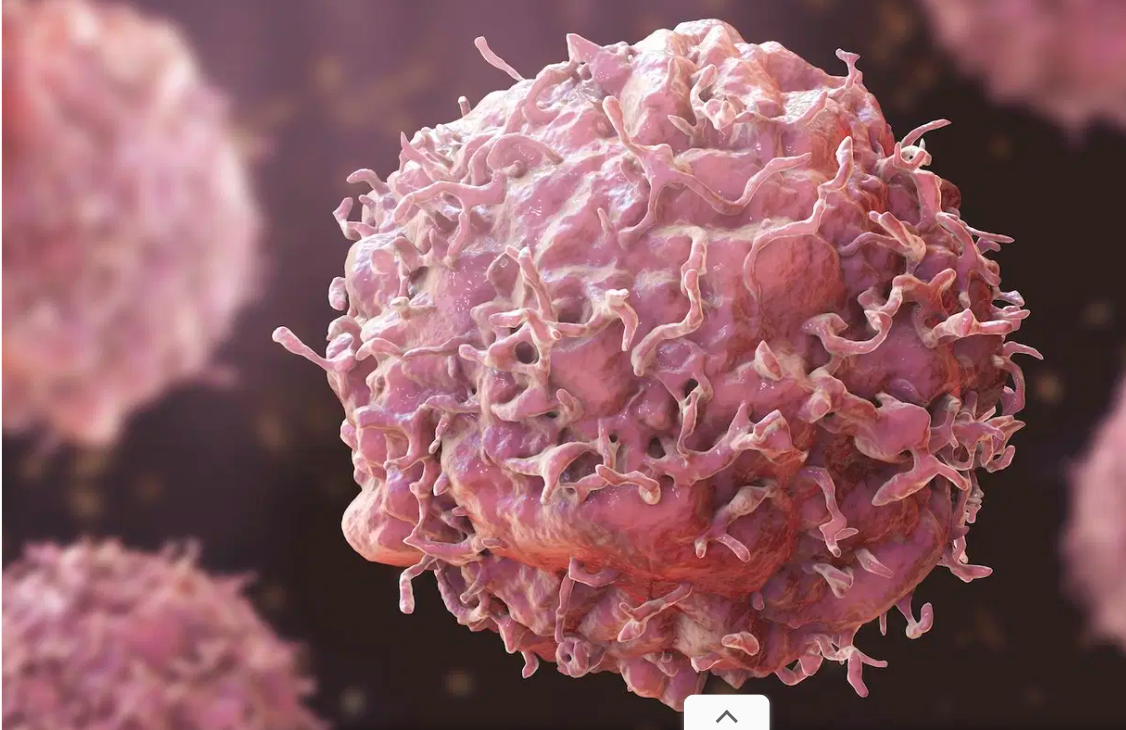
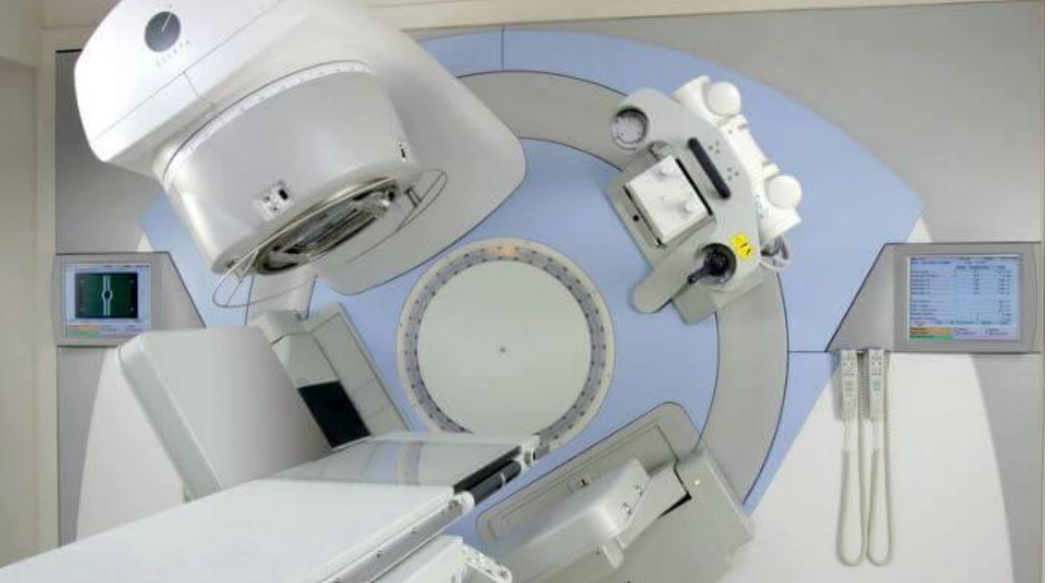
Cancer is a biological disease caused by abnormal cells that grow uncontrollably. In many cases it requires surgery, chemotherapy, radiation therapy, targeted drugs, or immunotherapy to control or eliminate it.
When cancers are detected early, modern medicine can often treat them successfully. Delaying proven treatments in favor of untested alternatives can sometimes allow the disease to progress to a stage where it becomes much harder to treat.
Steve Jobs was a brilliant innovator who changed technology and the world in many ways. But his experience also serves as a reminder that serious illnesses like cancer require careful medical treatment based on scientific evidence.
Eating carrots, fruit, or vegetables alone cannot cure pancreatic cancer or any other cancer. Healthy diets are important for prevention and overall health, but they are not a replacement for medical therapy.
People can combine healthy lifestyles with proper medical care, but they should not ignore evidence based treatments when dealing with life threatening diseases like cancer.
Leave a Comment:
SEARCH
Categories
Recent News
- NGO Highlights Stigmatization of Breast Cancer Survivors, Launches Empowerment Program in Nigeria
- HEALTH CRISIS: Chronicles of Cancer Survivors in Nigeria
- A Turning Point in Cancer Care in West Africa: The Promise of SBRT
- Cancer Survivors Share Their Stories as Oncologist Offers Support Through New Book IN Nigeria
- Medical Expert Advocates Early Screening to Combat Rising Prostate Cancer Cases in Nigeria
- Cancer Struggles
- Experts urge Nigerians to embrace early screening, HPV vaccine
- FG Launches Free Cancer Screening for 1,000 Residents in Ebonyi
READ MORE
2 months ago Category : Non-Hodgkin Lymphoma (NHL)
NGO Highlights Stigmatization of Breast Cancer Survivors, Launches Empowerment Program in Nigeria
Read More →2 months ago Category : Colorectal Cancer
HEALTH CRISIS: Chronicles of Cancer Survivors in Nigeria
Read More →2 months ago Category : Colorectal Cancer

A Turning Point in Cancer Care in West Africa: The Promise of SBRT
Read More →2 months ago Category : Tell us your Story