A Real Look at Treatment, Outcomes and Challenges
Category : Tell us your Story | Sub Category : Tell us your Story Posted on 2026-03-06 13:49:34
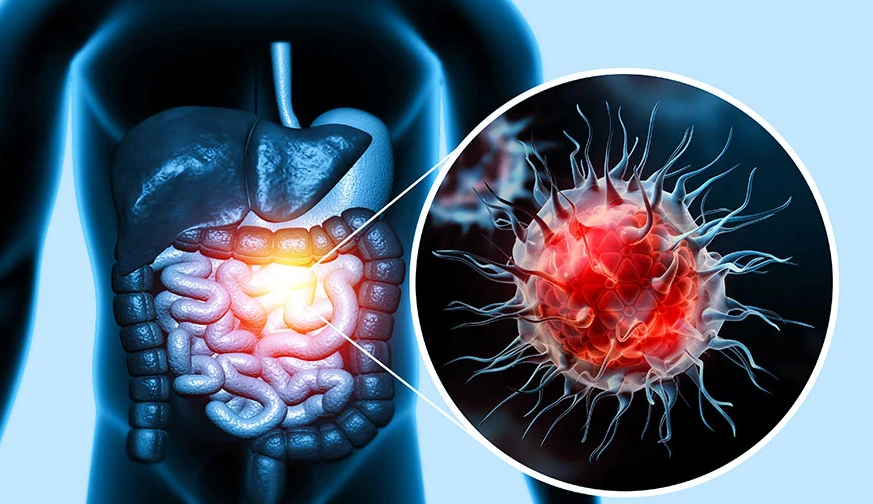
Cancer is not a single disease but a group of conditions that grow and spread in different ways. In Nigeria, the idea of a “cure” is complicated. Some cancers can be cured, some can be controlled long‑term, and others are much harder to treat — especially when detected late. Understanding how cancer care works in Nigeria helps us see what’s possible and what still needs improvement.
What “Cure” Really Means
When doctors talk about curing cancer, they usually mean one of two things:
Complete remission: There is no detectable cancer in the body after treatment, and it doesn’t come back for many years.
Long‑term control: The cancer may not completely disappear but stays stable for a long time with treatment, allowing the patient to live a normal life.
In Nigeria, both outcomes are possible, but they depend on several factors like cancer type, how early it’s detected, the quality of treatment, and patient support.
Cases Where Cancer Can Be Cured
Some cancers have high cure rates worldwide, and the same can be true in Nigeria if they are detected early:
Breast cancer and cervical cancer:
If found at an early stage, surgery and additional treatments can often stop the disease permanently. Regular screening makes a huge difference here.
Testicular cancer and Hodgkin lymphoma:
These respond well to chemotherapy and have high cure rates when managed properly.
Childhood cancers:
Some paediatric cancers have very good outcomes with the right combination of surgery, chemo, and supportive care.
In many of these cases, Nigerian hospitals are now able to offer treatment that leads to long‑term remission or cure — especially in cities like Lagos where facilities and trained specialists are more available.
What Treatment Looks Like in Nigeria
Most major cancer centres in Nigeria now offer a combination of treatments that can save lives:
Chemotherapy:
Drugs that attack cancer cells are widely available in oncology centres like Medserve‑LUTH, Marcelle Ruth, and Lakeshore Cancer Centre. When used early and correctly, chemo can shrink tumours and stop cancer from spreading.
Radiotherapy:
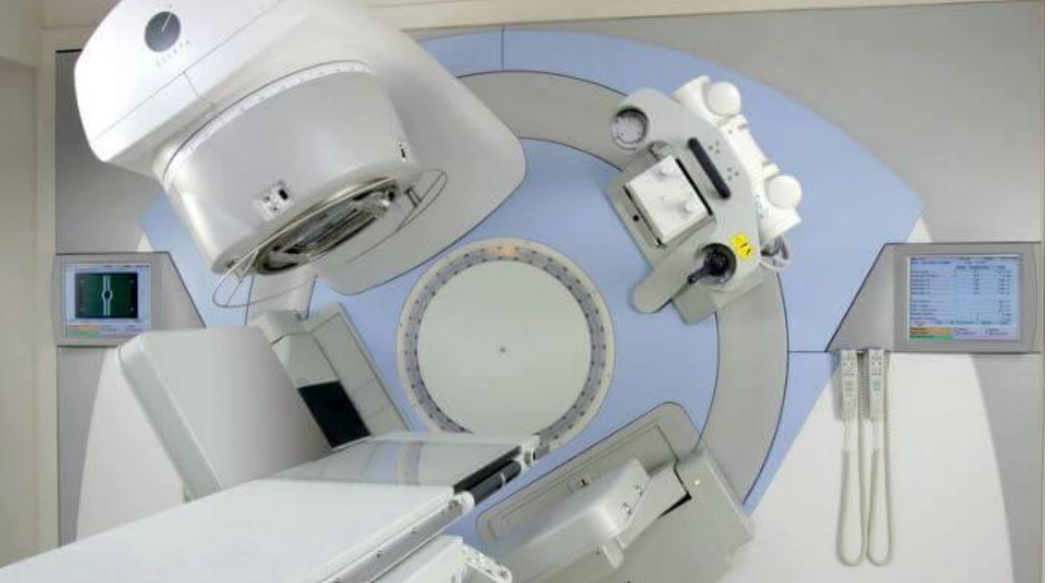
High‑energy radiation kills cancer cells. Modern radiotherapy machines are now in places like Medserve‑LUTH Cancer Centre, making treatment more effective than a decade ago.
Surgery:
Removing a tumour through surgery is often the first step toward cure in many cancers. Nigerian hospitals with surgical oncology teams can handle many such cases locally.
Supportive care:
Counselling, nutrition advice, pain management and follow‑up care play a big part in recovery and long‑term survival.
Why Some Cases Still Don’t Get Cured
Even though treatment exists, not every patient reaches a cure — and the reasons are often not medical but systemic:
Late diagnosis:
Many people in Nigeria only find out they have cancer when symptoms are obvious, and the disease is already advanced. Early detection is one of the biggest barriers.
Cost of treatment:
Cancer care is expensive, and most Nigerians pay out of pocket. Even when cure is possible, many patients delay or stop treatment because they can’t afford it.
Limited insurance coverage:
Health insurance that covers full cancer treatment is rare. Without financial protection, patients often shoulder the cost themselves.
Infrastructure and staffing gaps:
While progress has been made, there are still too few radiotherapy machines, trained oncologists, and fully equipped cancer centres outside major cities.
Progress and Hope
Nigeria has made real progress in the last five years:
New cancer centres have opened, including major ones in Lagos, Abuja, Benin City and Katsina.
Modern radiotherapy and chemotherapy services are now available locally, reducing the need for patients to travel abroad.
Awareness campaigns and screening programmes are gradually improving early detection.
These changes mean more people are getting effective treatment earlier — and that’s the biggest predictor of cure.
What This Means for Patients
Here’s the practical message:
Some cancers can be cured in Nigeria, especially when diagnosed early and treated promptly.
Other cancers can be managed in ways that allow long, good‑quality life even if “cure” isn’t possible yet.
The biggest obstacles aren’t medical science — they are late detection, treatment cost, and uneven access to care.
Cancer cure in Nigeria is real and happening — but not automatically. It depends on early detection, access to quality treatment, and support systems that help patients complete therapy. As more centres open and awareness grows, the chances of cure improve with every year.
Leave a Comment:
SEARCH
Categories
Recent News
- NGO Highlights Stigmatization of Breast Cancer Survivors, Launches Empowerment Program in Nigeria
- HEALTH CRISIS: Chronicles of Cancer Survivors in Nigeria
- A Turning Point in Cancer Care in West Africa: The Promise of SBRT
- Cancer Survivors Share Their Stories as Oncologist Offers Support Through New Book IN Nigeria
- Medical Expert Advocates Early Screening to Combat Rising Prostate Cancer Cases in Nigeria
- Cancer Struggles
- Experts urge Nigerians to embrace early screening, HPV vaccine
- FG Launches Free Cancer Screening for 1,000 Residents in Ebonyi
READ MORE
2 months ago Category : Non-Hodgkin Lymphoma (NHL)
NGO Highlights Stigmatization of Breast Cancer Survivors, Launches Empowerment Program in Nigeria
Read More →2 months ago Category : Colorectal Cancer
HEALTH CRISIS: Chronicles of Cancer Survivors in Nigeria
Read More →2 months ago Category : Colorectal Cancer
A Turning Point in Cancer Care in West Africa: The Promise of SBRT
Read More →2 months ago Category : Tell us your Story