Cancer in Nigeria: Current Situation and Efforts to Improve Care
Category : Gastric Cancer | Sub Category : Gastric Cancer Posted on 2026-03-09 11:37:10
Cancer in Nigeria: Current Situation and Efforts to Improve Care
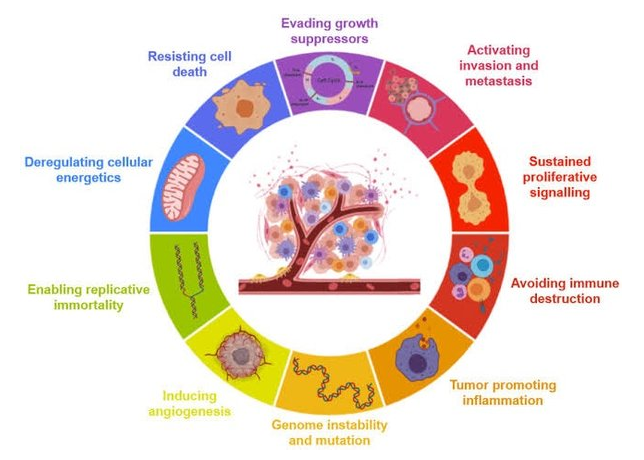
Cancer has become one of the major health challenges in Nigeria, and the number of cases continues to grow every year. According to estimates from International Agency for Research on Cancer through the Global Cancer Observatory, Nigeria records roughly 127,000 to 128,000 new cancer cases each year. Sadly, about 79,000 to 80,000 people die from the disease annually.
The high number of deaths is largely linked to late diagnosis, limited treatment facilities, and the high cost of care. Many patients only seek medical help when the cancer has already reached an advanced stage, which makes treatment more difficult.
Most Common Cancers in Nigeria
Some cancers occur more frequently than others in Nigeria. The most common ones include:
Breast cancer – This is the leading cancer among women, with more than 32,000 new cases each year. It accounts for roughly 25–40 percent of cancers in women. Many cases are detected late, which contributes to the high death rate.
Prostate cancer – The most common cancer among men, with around 18,000 new cases yearly.
Cervical cancer – A major health concern for women, especially where regular screening is not widely available.
Colorectal cancer – Cases have been increasing in recent years.
Liver cancer – Often linked to hepatitis infections.
Non-Hodgkin lymphoma – Also commonly reported in Nigerian hospitals.
Reports show that breast cancer cases have increased dramatically over the past three decades, with some estimates suggesting an increase of more than 500 percent since the early 1990s.
Major Challenges Facing Cancer Care
Several factors make cancer care difficult in Nigeria:
Late detection – Many patients arrive at hospitals when the disease has already progressed.
Limited screening programs – Regular screening for cancers such as breast and cervical cancer is still not widely available.
Shortage of treatment facilities – Nigeria has relatively few radiotherapy centers and limited access to advanced treatment equipment.
Shortage of trained specialists – There are not enough oncologists, oncology nurses, and cancer specialists to meet the growing demand.
High treatment costs – Many patients pay out of pocket, which can make treatment unaffordable for families.
Preventable risk factors – Infections, tobacco use, diet, and lifestyle factors also contribute to the cancer burden.
Like many low- and middle-income countries, Nigeria faces the reality that more than 70 percent of global cancer cases occur in similar resource-limited settings.
Partnership to Strengthen Cancer Care in Lagos
To help improve cancer treatment in Nigeria, the global oncology nonprofit Binaytara Foundation formed a partnership with Federal Medical Centre Ebute Metta in Lagos under an initiative known as Project Naija.
The partnership was announced in 2025 as part of the foundation’s Global Oncology Mission, which focuses on improving cancer care in developing countries. The collaboration aims to support hospitals and healthcare workers in delivering safer and more effective cancer treatment.
Key Goals of the Partnership
The project focuses on several important areas:
Improving chemotherapy services
The program supports hospitals with better equipment and training so chemotherapy drugs can be prepared and administered safely.
Training and capacity building
Healthcare professionals receive specialized oncology training, fellowships, and opportunities to exchange knowledge with international experts.
Developing cancer data systems
Plans include establishing a stronger cancer registry system to track cancer cases and improve research and planning.
Encouraging national collaboration
The initiative also plans to organize cancer conferences in Nigeria where doctors, researchers, and policymakers can share knowledge and develop better strategies for cancer care.
Why Partnerships Like This Matter
Lagos is one of the largest cities in Africa and serves as a major healthcare hub for Nigeria. Strengthening cancer treatment facilities there can benefit thousands of patients who travel from different parts of the country seeking care.
Partnerships like this help close important gaps in cancer treatment by improving infrastructure, training medical professionals, and expanding access to safe treatment. They also support Nigeria’s broader efforts to strengthen cancer control and improve survival rates.
While Nigeria still faces many challenges in cancer care, initiatives like these offer hope for better diagnosis, improved treatment, and stronger support for patients across the country.
Leave a Comment:
SEARCH
Categories
Recent News
- NGO Highlights Stigmatization of Breast Cancer Survivors, Launches Empowerment Program in Nigeria
- HEALTH CRISIS: Chronicles of Cancer Survivors in Nigeria
- A Turning Point in Cancer Care in West Africa: The Promise of SBRT
- Cancer Survivors Share Their Stories as Oncologist Offers Support Through New Book IN Nigeria
- Medical Expert Advocates Early Screening to Combat Rising Prostate Cancer Cases in Nigeria
- Cancer Struggles
- Experts urge Nigerians to embrace early screening, HPV vaccine
- FG Launches Free Cancer Screening for 1,000 Residents in Ebonyi
READ MORE
2 months ago Category : Non-Hodgkin Lymphoma (NHL)
NGO Highlights Stigmatization of Breast Cancer Survivors, Launches Empowerment Program in Nigeria
Read More →2 months ago Category : Colorectal Cancer
HEALTH CRISIS: Chronicles of Cancer Survivors in Nigeria
Read More →2 months ago Category : Colorectal Cancer
A Turning Point in Cancer Care in West Africa: The Promise of SBRT
Read More →2 months ago Category : Tell us your Story