Mr. Ade’s Kidney Cancer Journey: A Story of Courage and Hope
Category : Colorectal Cancer | Sub Category : Colorectal Cancer2 Posted on 2026-03-09 12:02:49
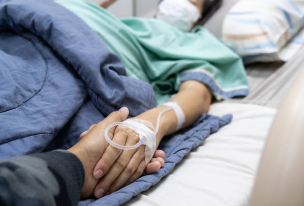
On Wednesday, July 1st, 2015, Mr. Ade received news that would change his life forever. His doctor informed him that there was a mass on one of his kidneys, and his blood calcium levels were unusually high. These findings strongly suggested the possibility of cancer.
The news came as a shock. When his doctor first called him in to discuss the abnormal calcium levels, Mr. Ade had assumed it might be something like bowel cancer, since his mother had once battled that illness. Kidney cancer had never crossed his mind, especially because no one in his family had ever been diagnosed with it.
In the middle of the shock, he tried to calm himself with a simple thought: “At least I have a spare kidney.”
Just two days later, on Friday, July 3rd, the diagnosis was confirmed. Mr. Ade had stage 4 renal cancer.
The doctors explained the seriousness of the situation. Without surgery to remove the affected kidney, he might only have weeks to live. However, the decision to operate was not immediate. A hospital committee needed to review his case and determine whether the surgery was possible.
Late that Friday afternoon, Mr. Ade was gently advised to go home, put his affairs in order over the weekend, and return on Monday for further tests.
As he and his partner left the hospital, the emotional weight of the news finally hit them. They stood in the hospital car park and cried together. On the way home, they stopped to wait for traffic to ease, but the tears continued. Mr. Ade began calling family members and close friends, sharing the heartbreaking news again and again.
The entire situation still felt unreal. Strangely, he did not even feel physically sick. What made it even more unbelievable was that earlier that same morning, he had submitted an application for a promotion at work.
The weekend that followed was overwhelming. Mr. Ade began preparing for the possibility that he might not return to work. He arranged for colleagues to take over his classes and responsibilities and started gathering important documents such as wills, insurance papers, and legal records.
Despite the fear and uncertainty, he and his partner made a promise to each other: they would fight the battle together.
Eventually, the hospital approved the surgery, and Mr. Ade underwent an operation to remove the affected kidney. The months that followed were extremely challenging. Recovery from the surgery was slow, and he spent five months dealing with complications and an open wound. He also began treatment with a biological medication, but unfortunately the side effects were severe and made him feel as sick as chemotherapy. Because of this, he had to stop the medication.
Later, doctors discovered a metastasis in his lung, which was treated using a microwave ablation procedure. Over time, three more metastases appeared. Not long after, Mr. Ade experienced a major internal bleed. Doctors eventually discovered that it was caused by a cancer metastasis in the end of his small intestine — a very rare location for kidney cancer to spread.
The bleeding caused severe anaemia, and over the course of two months he required ten units of blood transfusions. Recovery was slow, but he later started a new form of immunotherapy treatment, designed to help the body’s immune system attack cancer cells.
Fortunately, this treatment did not cause the same intense side effects he experienced before. Early signs suggest it may be helping, though doctors will confirm its progress during his next CT scan.
Even in the face of such challenges, Mr. Ade continues to remain hopeful. Statistics show that the five-year survival rate for stage 4 kidney cancer is around 10 percent, but he chooses not to focus on the numbers alone.
Instead, he focuses on the things working in his favor.
His remaining kidney continues to function well and has taken over the work of the one that was removed. Mr. Ade is also naturally optimistic. His blood type is B positive, and over the years that phrase has become a personal reminder to stay hopeful even during difficult times.
He also believes strongly in sharing his cancer journey openly. Kidney cancer is not widely discussed, and many people know little about it. By speaking about his experience, he hopes to raise awareness and help others recognize symptoms earlier.
Mr. Ade has also been fortunate to have an incredible support system. His partner has stood by him every step of the way — helping with daily care, handling household responsibilities, driving him to medical appointments, and providing emotional strength during the most difficult moments.
At work, his Head of School has been understanding and supportive, allowing him to work from home and encouraging him not to push himself too hard. His colleagues have shown kindness and flexibility, often adjusting meetings around his health needs and visiting him during hospital stays.
He also finds comfort and encouragement in his choir community, whose members have surrounded him with support and friendship. While they often say he inspires them, Mr. Ade believes they inspire him just as much.
Today, Mr. Ade sees himself as halfway toward his five-year survival goal. Although there are still challenges ahead, he remains hopeful about the progress of new treatments. Many modern therapies were not even available a few years ago, which means survival rates continue to improve.
Mr. Ade understands that statistics represent averages. And behind every statistic are individuals who overcome the odds.
He has made up his mind to be one of them.
Leave a Comment:
SEARCH
Categories
Recent News
- NGO Highlights Stigmatization of Breast Cancer Survivors, Launches Empowerment Program in Nigeria
- HEALTH CRISIS: Chronicles of Cancer Survivors in Nigeria
- A Turning Point in Cancer Care in West Africa: The Promise of SBRT
- Cancer Survivors Share Their Stories as Oncologist Offers Support Through New Book IN Nigeria
- Medical Expert Advocates Early Screening to Combat Rising Prostate Cancer Cases in Nigeria
- Cancer Struggles
- Experts urge Nigerians to embrace early screening, HPV vaccine
- FG Launches Free Cancer Screening for 1,000 Residents in Ebonyi
READ MORE
2 months ago Category : Non-Hodgkin Lymphoma (NHL)
NGO Highlights Stigmatization of Breast Cancer Survivors, Launches Empowerment Program in Nigeria
Read More →2 months ago Category : Colorectal Cancer
HEALTH CRISIS: Chronicles of Cancer Survivors in Nigeria
Read More →2 months ago Category : Colorectal Cancer

A Turning Point in Cancer Care in West Africa: The Promise of SBRT
Read More →2 months ago Category : Tell us your Story