Cancer remains a pressing public health crisis in Nigeria, with ~120,000–128,000 new cases and 70,000–80,000 deaths annually.
Category : Liver Cancer | Sub Category : Liver Cancer Posted on 2026-03-09 12:11:51
Government Approves Funding to Strengthen Cancer Care
In early March 2026, the Federal Executive Council of Nigeria approved 9.99 billion naira to support healthcare programs across the country. While part of the funding will continue to sustain free HIV treatment, a significant portion is also aimed at improving cancer care.
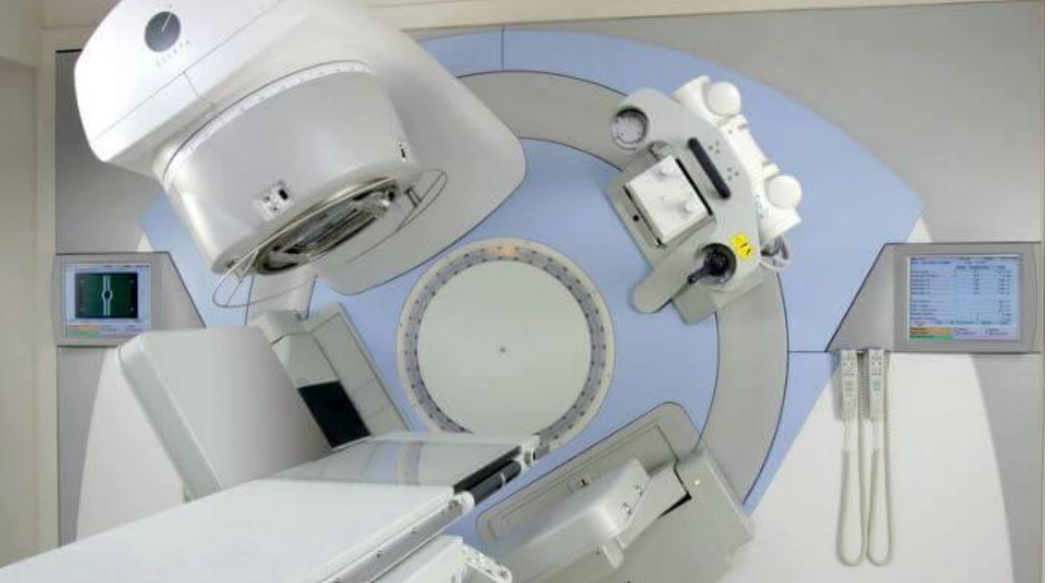
The investment will help upgrade radiotherapy equipment in six cancer treatment centres, one in each geopolitical zone of the country. It will also support the training of medical personnel and the improvement of oncology infrastructure, helping hospitals deliver better cancer treatment and services.
Sharp Increase in Breast Cancer Cases
Recent research has revealed a worrying trend. Breast cancer cases in Nigeria have increased dramatically over the past few decades. Reports suggest that the country recorded about 53,500 new breast cancer cases in 2023, representing a 543 percent increase since 1990.
Breast cancer remains one of the most common cancers among Nigerian women. Unfortunately, many patients still arrive at hospitals when the disease is already in an advanced stage, making treatment more difficult and reducing survival chances.
Nigerian Cancer Society Calls for Greater Investment
The Nigerian Cancer Society has continued to advocate for stronger national action against cancer. After activities marking World Cancer Day in February, the society’s president, Abidemi Omonisi, urged the government, private sector, and other stakeholders to invest more in cancer prevention and treatment.
During a public health rally in Port Harcourt, the organization screened more than 500 people for possible cancer symptoms and used the event to raise awareness about the importance of early detection.
Nigeria Launches First Immunotherapy Clinical Trial
Nigeria has also taken an important step in cancer research by launching its first immunotherapy clinical trial for colorectal cancer. The study focuses on using a treatment known as PD-1 blockade, which helps the immune system attack cancer cells.
The project is a collaboration between several institutions, including Lagos University Teaching Hospital, Obafemi Awolowo University, Medserve, and the U.S.-based Memorial Sloan Kettering Cancer Center.
The trial targets patients with a specific form of colorectal cancer known as mismatch-repair deficient cancer, and eligible participants will receive treatment free of charge. This research could open the door to new treatment options for advanced cancer patients in Nigeria.
Calls for Cancer to Be Declared a National Emergency
Some policymakers believe the situation requires urgent national attention. Nigerian lawmakers, including Mao Ohuabunwa, have called for cancer to be declared a national health emergency.
They argue that high mortality rates, insecurity affecting healthcare access, and the large number of late diagnoses make stronger government action necessary. Many experts also stress the need to improve cancer care for women, rural communities, and underserved populations.
National Cancer Control Plan 2026–2030
Nigeria is also strengthening its long-term strategy through the National Cancer Control Plan (2026–2030) led by the National Institute for Cancer Research and Treatment.
The plan aims to improve cancer prevention, early diagnosis, and treatment across the country. Some of the proposed strategies include:
-
Expanding nationwide free cancer screening programs
-
Improving cancer registries and data collection
-
Using artificial intelligence tools to support diagnosis and prevention
-
Increasing public awareness campaigns
-
Strengthening cancer treatment centers nationwide
Cancer remains a serious public health issue in Nigeria, with about 120,000 to 128,000 new cases diagnosed every year and between 70,000 and 80,000 deaths annually. However, recent developments — including increased funding, research trials, advocacy campaigns, and national planning — offer hope that Nigeria is beginning to take stronger action against the disease.
Leave a Comment:
SEARCH
Categories
Recent News
- NGO Highlights Stigmatization of Breast Cancer Survivors, Launches Empowerment Program in Nigeria
- HEALTH CRISIS: Chronicles of Cancer Survivors in Nigeria
- A Turning Point in Cancer Care in West Africa: The Promise of SBRT
- Cancer Survivors Share Their Stories as Oncologist Offers Support Through New Book IN Nigeria
- Medical Expert Advocates Early Screening to Combat Rising Prostate Cancer Cases in Nigeria
- Cancer Struggles
- Experts urge Nigerians to embrace early screening, HPV vaccine
- FG Launches Free Cancer Screening for 1,000 Residents in Ebonyi
READ MORE
2 months ago Category : Non-Hodgkin Lymphoma (NHL)
NGO Highlights Stigmatization of Breast Cancer Survivors, Launches Empowerment Program in Nigeria
Read More →2 months ago Category : Colorectal Cancer
HEALTH CRISIS: Chronicles of Cancer Survivors in Nigeria
Read More →2 months ago Category : Colorectal Cancer
A Turning Point in Cancer Care in West Africa: The Promise of SBRT
Read More →2 months ago Category : Tell us your Story