NCS Calls for Expanded Cancer Screening to Rural Areas and IDP Camps
Category : Tell us your Story | Sub Category : Tell us your Story Posted on 2026-03-09 12:23:19
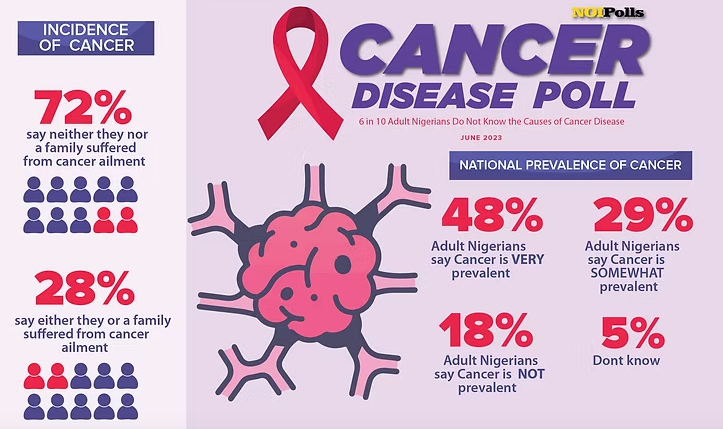
The President of the Nigerian Cancer Society (NCS), Prof. Abidemi Omonisi, has urged the government to extend free cancer screening and outreach programs to Internally Displaced Persons (IDP) camps and rural communities. He warned that millions of Nigerians in these areas face increased risks due to limited access to screening and healthcare facilities.
Prof. Omonisi, who also serves as CEO of the NCS, made the call during the 2026 World Cancer Day Regional Mega Rally and Awareness Walk for the South-South region, held in Port Harcourt, Rivers State.
“Behind every diagnosis is a story — a mother fighting for her children, a young graduate facing uncertainty, a survivor rebuilding life after treatment, and families navigating fear and hope. To every Nigerian living with cancer, to survivors, caregivers, and families remembering loved ones: You are seen. You are not alone. Your lives matter.”
Prof. Omonisi explained that hosting the rally in Port Harcourt was intentional. He highlighted Rivers State’s commitment to improving health infrastructure, including cancer care, citing facilities like the Dr Peter Odili Cardiovascular and Cancer Centre, which provides hope for many families in the region.
“Bringing the Regional Mega Rally to Port Harcourt reinforces our message that cancer control should not be concentrated only in Abuja or Lagos. Every geopolitical zone deserves visibility, access, and action,” he said.
“The South-South region faces unique environmental, economic, and healthcare challenges. Each region’s cancer burden is unique, but our resolve to confront it is united.”
He warned that while cancer cases are rising in Nigeria, many are preventable and treatable if detected early.
“Cancer is no longer a distant threat. It is here and rising. Yet many cancers are preventable and treatable. Early detection can save countless lives,” he said.
Prof. Omonisi highlighted major challenges confronting cancer care in Nigeria, including late presentation, limited screening services, high out-of-pocket costs, inadequate insurance coverage, and a shortage of oncology specialists.
“Only a small percentage of Nigerians are covered under health insurance. Most still rely on catastrophic out-of-pocket payments. This is unsustainable and unjust,” he added.
He also acknowledged recent progress in cancer control, including the establishment of the National Institute for Cancer Research and Treatment (NICRAT), strengthening of the National Cancer Control Plan (2026–2030), introduction of the Cancer Health Fund, the Nigeria Cancer Access Partnership initiatives, expansion of cancer registries, and upgrades to federal tertiary institutions as centres of excellence.
“These gains are commendable, but progress must accelerate to reach rural communities and IDPs. Millions of Nigerians live in IDP camps, yet most cancer interventions remain concentrated in urban centres. Rural communities and displaced populations are often neglected, which is unacceptable,” he said.
Also speaking at the event, Prof. Justina Jumbo, Permanent Secretary in the Rivers State Ministry of Health, emphasised the importance of early detection, noting that it significantly improves treatment outcomes and survival rates.
This rally and call to action highlight the urgent need to make cancer care accessible, equitable, and effective for all Nigerians, especially those in underserved and displaced communities.
Leave a Comment:
SEARCH
Categories
Recent News
- NGO Highlights Stigmatization of Breast Cancer Survivors, Launches Empowerment Program in Nigeria
- HEALTH CRISIS: Chronicles of Cancer Survivors in Nigeria
- A Turning Point in Cancer Care in West Africa: The Promise of SBRT
- Cancer Survivors Share Their Stories as Oncologist Offers Support Through New Book IN Nigeria
- Medical Expert Advocates Early Screening to Combat Rising Prostate Cancer Cases in Nigeria
- Cancer Struggles
- Experts urge Nigerians to embrace early screening, HPV vaccine
- FG Launches Free Cancer Screening for 1,000 Residents in Ebonyi
READ MORE
2 months ago Category : Non-Hodgkin Lymphoma (NHL)
NGO Highlights Stigmatization of Breast Cancer Survivors, Launches Empowerment Program in Nigeria
Read More →2 months ago Category : Colorectal Cancer
HEALTH CRISIS: Chronicles of Cancer Survivors in Nigeria
Read More →2 months ago Category : Colorectal Cancer

A Turning Point in Cancer Care in West Africa: The Promise of SBRT
Read More →2 months ago Category : Tell us your Story