Breast Cancer Symptoms in Nigeria
Category : Breast | Sub Category : Breast Cancer Posted on 2026-03-10 14:54:58
1. Introduction
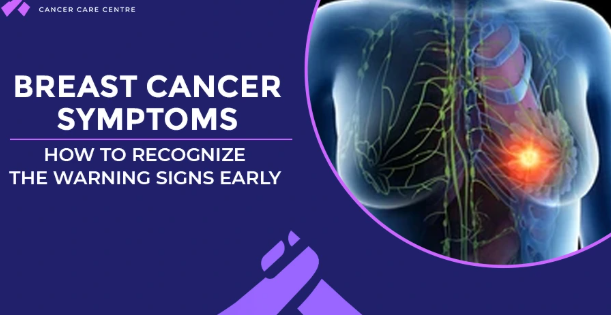
Breast cancer is the most common cancer affecting women in Nigeria and remains a major public health concern. According to the World Health Organization (WHO), breast cancer accounts for about 22.7% of all cancers among Nigerian women, making it the leading cause of cancer-related illness in the female population.
The Federal Ministry of Health Nigeria reports that many Nigerian women are diagnosed at late stages of the disease, largely due to poor awareness of early symptoms and delayed hospital visits. Early detection of symptoms is therefore essential for improving survival rates and reducing treatment costs.
2. Common Breast Cancer Symptoms
Medical experts and national cancer programs in Nigeria identify several key symptoms that may indicate the presence of breast cancer.
Breast Lump
The most common symptom is a lump or swelling in the breast. Studies in Nigerian hospitals show that breast lump is the first symptom noticed in about 76% of cases.
These lumps are usually painless and may gradually increase in size.
Changes in Breast Shape or Size
Another early sign is a noticeable change in the size or shape of one breast. The breast may become larger, swollen, or asymmetrical compared to the other breast.
Such changes occur when cancer cells begin to affect normal breast tissue.
Skin Changes on the Breast
Skin abnormalities are also important warning signs. These may include:
-
Dimpling of the breast skin
-
Thickened or ulcerated skin
-
Redness or irritation around the breast
These changes can sometimes give the breast a texture similar to an orange peel.
Nipple Changes
Breast cancer may cause changes in the nipple, including:
-
Nipple turning inward (retraction)
-
Unusual nipple discharge, especially blood-stained discharge
-
Crusting or sores around the nipple area
These symptoms often indicate underlying changes in breast tissue.
Breast or Underarm Pain
Although breast cancer lumps are often painless, some patients may experience:
-
Persistent breast pain
-
Swelling or lumps in the armpit (lymph nodes)
These symptoms may indicate that cancer has begun spreading to nearby lymph nodes.
3. Symptoms of Advanced Breast Cancer
When breast cancer spreads to other organs (metastasis), additional symptoms may appear.
These include:
-
Bone pain or back pain when cancer spreads to bones
-
Persistent cough or breathing difficulty if it spreads to the lungs
-
Severe headaches or confusion if it spreads to the brain
-
Abdominal pain or liver enlargement if it spreads to the liver
At this stage, treatment becomes more complex and survival chances may decrease.
4. Late Detection in Nigeria
Health experts note that late diagnosis is a major challenge in Nigeria.
Research and public health reports indicate that:
-
60–80% of Nigerian breast cancer patients are diagnosed at late stages of the disease.
-
Many people ignore early symptoms such as lumps, fatigue, or unusual bleeding.
Low awareness, fear of treatment costs, and reliance on alternative medicine often contribute to delays in seeking medical care.
5. Importance of Early Detection
Both the WHO and Nigeria’s national cancer control programs emphasize early detection as the most effective way to reduce breast cancer deaths.
Key prevention strategies include:
-
Regular Breast Self-Examination (BSE)
-
Clinical breast examinations in hospitals
-
Mammography screening for women at higher risk
Early detection allows treatment to begin before the cancer spreads, significantly improving survival outcomes.
Breast cancer remains a serious health issue in Nigeria, particularly because many patients are diagnosed at advanced stages. Common symptoms include breast lumps, nipple changes, skin abnormalities, breast pain, and swelling in the underarm. Awareness of these early warning signs is essential for prompt diagnosis and effective treatment.
Health authorities such as the World Health Organization and the Federal Ministry of Health Nigeria continue to encourage education, screening programs, and public awareness campaigns to improve early detection and reduce breast cancer mortality across the country.
Leave a Comment:
SEARCH
Categories
Recent News
- NGO Highlights Stigmatization of Breast Cancer Survivors, Launches Empowerment Program in Nigeria
- HEALTH CRISIS: Chronicles of Cancer Survivors in Nigeria
- A Turning Point in Cancer Care in West Africa: The Promise of SBRT
- Cancer Survivors Share Their Stories as Oncologist Offers Support Through New Book IN Nigeria
- Medical Expert Advocates Early Screening to Combat Rising Prostate Cancer Cases in Nigeria
- Cancer Struggles
- Experts urge Nigerians to embrace early screening, HPV vaccine
- FG Launches Free Cancer Screening for 1,000 Residents in Ebonyi
READ MORE
2 months ago Category : Non-Hodgkin Lymphoma (NHL)
NGO Highlights Stigmatization of Breast Cancer Survivors, Launches Empowerment Program in Nigeria
Read More →2 months ago Category : Colorectal Cancer
HEALTH CRISIS: Chronicles of Cancer Survivors in Nigeria
Read More →2 months ago Category : Colorectal Cancer

A Turning Point in Cancer Care in West Africa: The Promise of SBRT
Read More →2 months ago Category : Tell us your Story